The Fall Research Kit combines four compounds that are frequently studied in metabolic, obesity, and energy regulation research. Each compound targets a different biological pathway, making this combination of interest to researchers investigating the complex mechanisms involved in body weight regulation, appetite signaling, cellular metabolism, and energy homeostasis.
By examining multiple metabolic pathways simultaneously, researchers aim to better understand how hormonal signaling, mitochondrial function, energy expenditure, and nutrient utilization interact within experimental models. Save $50.00
Kit Components
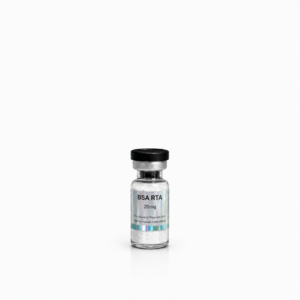
Retatrutide – 20 mg
Retatrutide is an investigational peptide that activates three hormone receptors involved in metabolic regulation: GLP-1, GIP, and glucagon receptors. Researchers study Retatrutide to better understand how these signaling pathways influence appetite regulation, energy expenditure, glucose metabolism, and body weight homeostasis. Because it targets multiple receptors simultaneously, it is of interest for investigating complex metabolic interactions.
Research focus includes:
- GLP-1, GIP, and glucagon receptor signaling
- Appetite and satiety pathways
- Energy expenditure
- Glucose metabolism
- Metabolic physiology
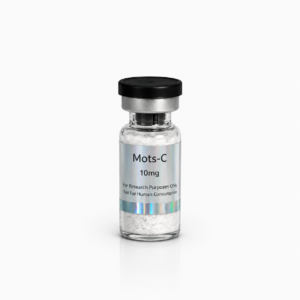
MOTS-c – 10 mg
MOTS-c is a mitochondrial-derived peptide encoded within mitochondrial DNA. It is studied for its role in cellular energy regulation and metabolic adaptation. Research suggests it may influence pathways involved in glucose utilization, mitochondrial function, and cellular responses to metabolic stress.
Research focus includes:
- Mitochondrial signaling
- Cellular energy metabolism
- Glucose utilization
- Skeletal muscle metabolism
- Metabolic adaptation and stress responses
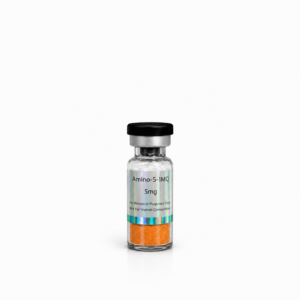
5-Amino-1MQ – 5 mg
5-Amino-1MQ is a small-molecule compound investigated as an inhibitor of nicotinamide N-methyltransferase (NNMT), an enzyme involved in cellular methylation and nicotinamide metabolism. Researchers study NNMT inhibition to understand its effects on energy metabolism, adipocyte biology, and cellular metabolic pathways.
Research focus includes:
- NNMT enzyme inhibition
- Cellular metabolism
- Nicotinamide metabolism
- Adipose tissue biology
- Energy regulation pathways
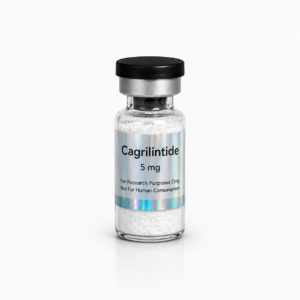
Cagrilintide – 5 mg
Cagrilintide is a long-acting amylin analog that activates amylin receptors. It is studied for its effects on satiety signaling, gastric physiology, and metabolic regulation. Researchers investigate how amylin receptor activation interacts with other hormonal pathways involved in maintaining energy balance and glucose homeostasis.
Research focus includes:
- Amylin receptor pharmacology
- Satiety signaling
- Gastric physiology
- Glucose homeostasis
- Endocrine and metabolic regulation
Research Rationale
Researchers may be interested in this collection because the compounds are investigated across complementary biological systems:
- Retatrutide is studied for multi-hormone receptor signaling related to appetite, glucose regulation, and energy expenditure.
- Cagrilintide is studied for amylin-mediated satiety and metabolic signaling.
- MOTS-c is investigated for mitochondrial function and cellular energy metabolism.
- 5-Amino-1MQ is researched for its effects on NNMT-related metabolic pathways.
Together, these compounds represent several distinct areas of metabolic research, allowing investigators to explore how different signaling pathways may interact in experimental models. This kit is intended to support research into obesity biology, metabolic health, energy regulation, and endocrine physiology.
Product Specifications
- Research Grade
- Purity: ≥99%
- Lyophilized Powder
- Manufactured for laboratory research applications
- Intended for qualified research professionals
Research Use Only
FOR RESEARCH PURPOSES ONLY.
NOT FOR HUMAN OR ANIMAL CONSUMPTION.
This research kit is intended exclusively for laboratory and scientific research. The products contained within are not intended for human use, veterinary use, diagnosis, treatment, cure, or prevention of any disease. All handling should be performed by qualified personnel using appropriate laboratory safety procedures.